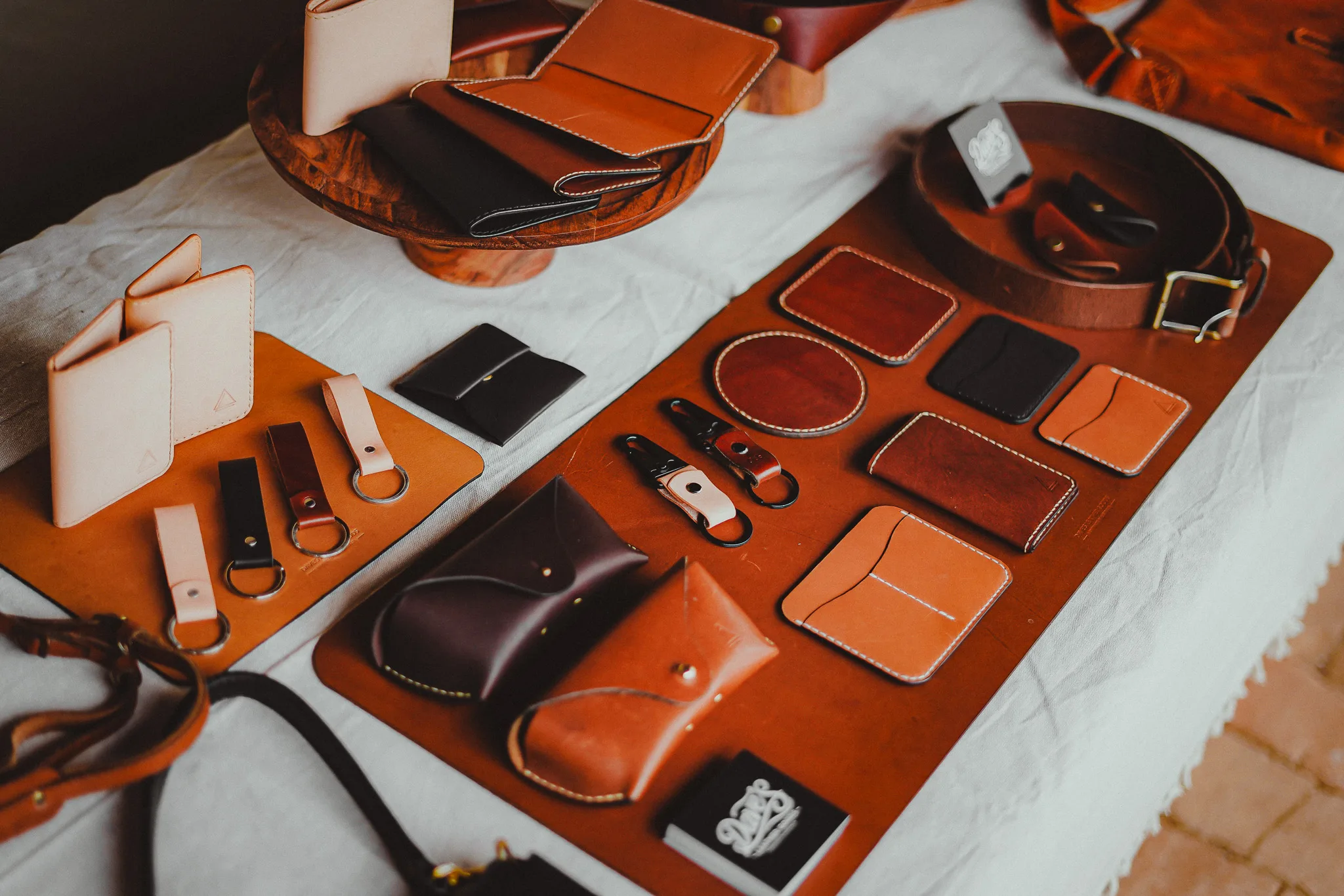
Kangaroo hide is a difficult material to build a business around. It’s twice as expensive as cowhide and comes off an animal a fraction of the size, which you might think an odd place to start if you’re making wallets. Unorthodox or not, leatherworker Dave Lee reaches for the medium when working on his smallest pieces. At 0.8 to 1mm thick, it runs thinner but significantly tougher than cowhide, making it perfect for everyday, hard-wearing objects: wallets, card holders, passport covers.
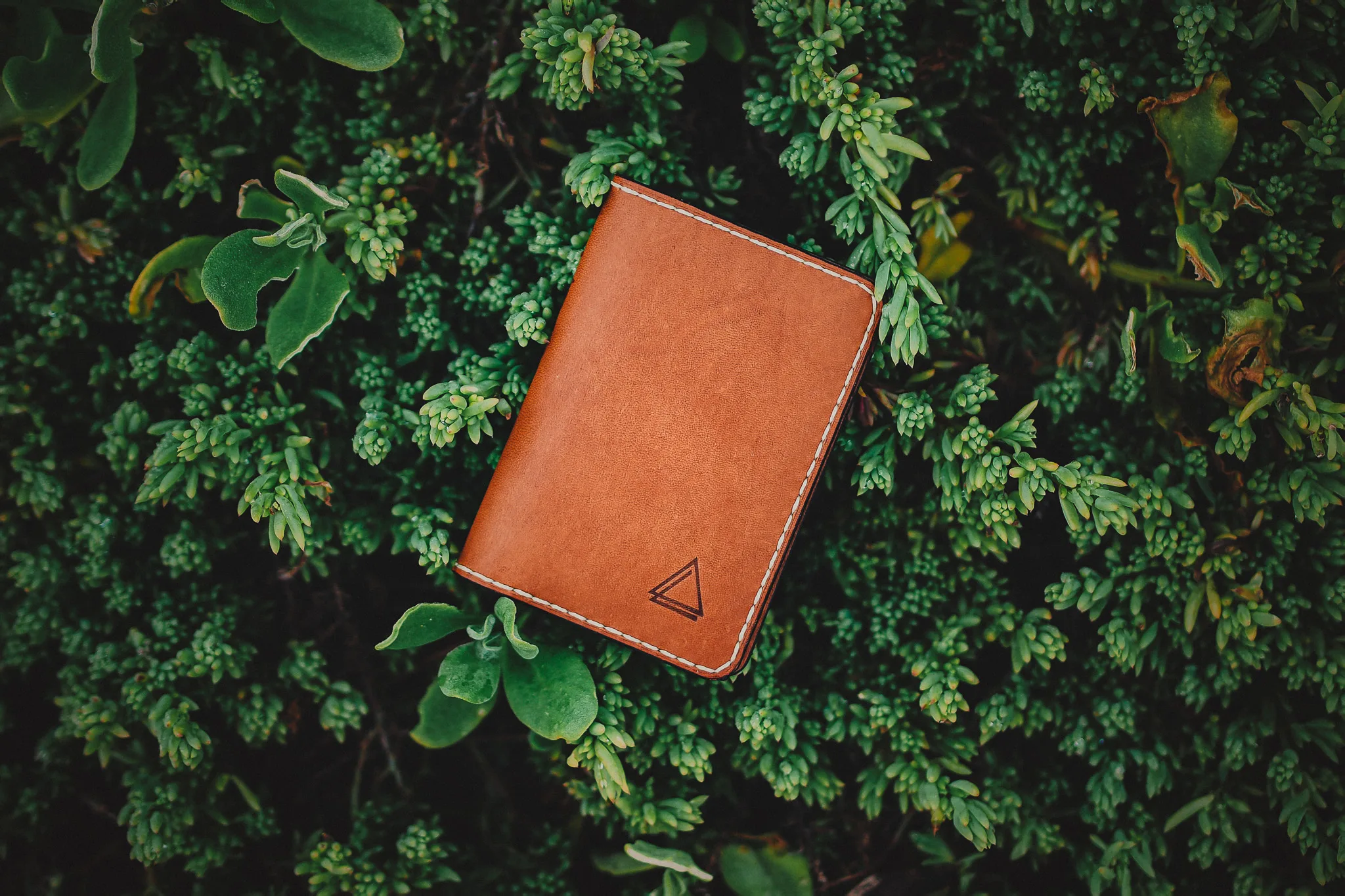
All of which makes Dave’s fluency in the craft a little unexpected. With no formal training in leatherworking, he self-taught, largely from YouTube, in the benign chaos of scattered early 2010s tutorials. Turning over a friend's iPad cover, Dave saw the basic leather-and-stitch build and realised how simple it was.
“My immediate thought was, 'Wow, I didn't know you could make them like this'. So I decided to do some online searches, found out you only need some basic tools, and the real leather is actually not that hard to buy,” Dave tells The Atlas.
And so Dave set to work: passport holders, card wallets, small things for people on the move. Demand, he thought, was going to be solid; travel, he thought, would only increase. And so it seemed, right up until 2020. Overnight, nobody was going anywhere as passport holders were confined to the bedside table.
Alongside millions, Dave was bound to his home desk. So naturally, he started building for the space he was in rather than where he’d wanted to be.
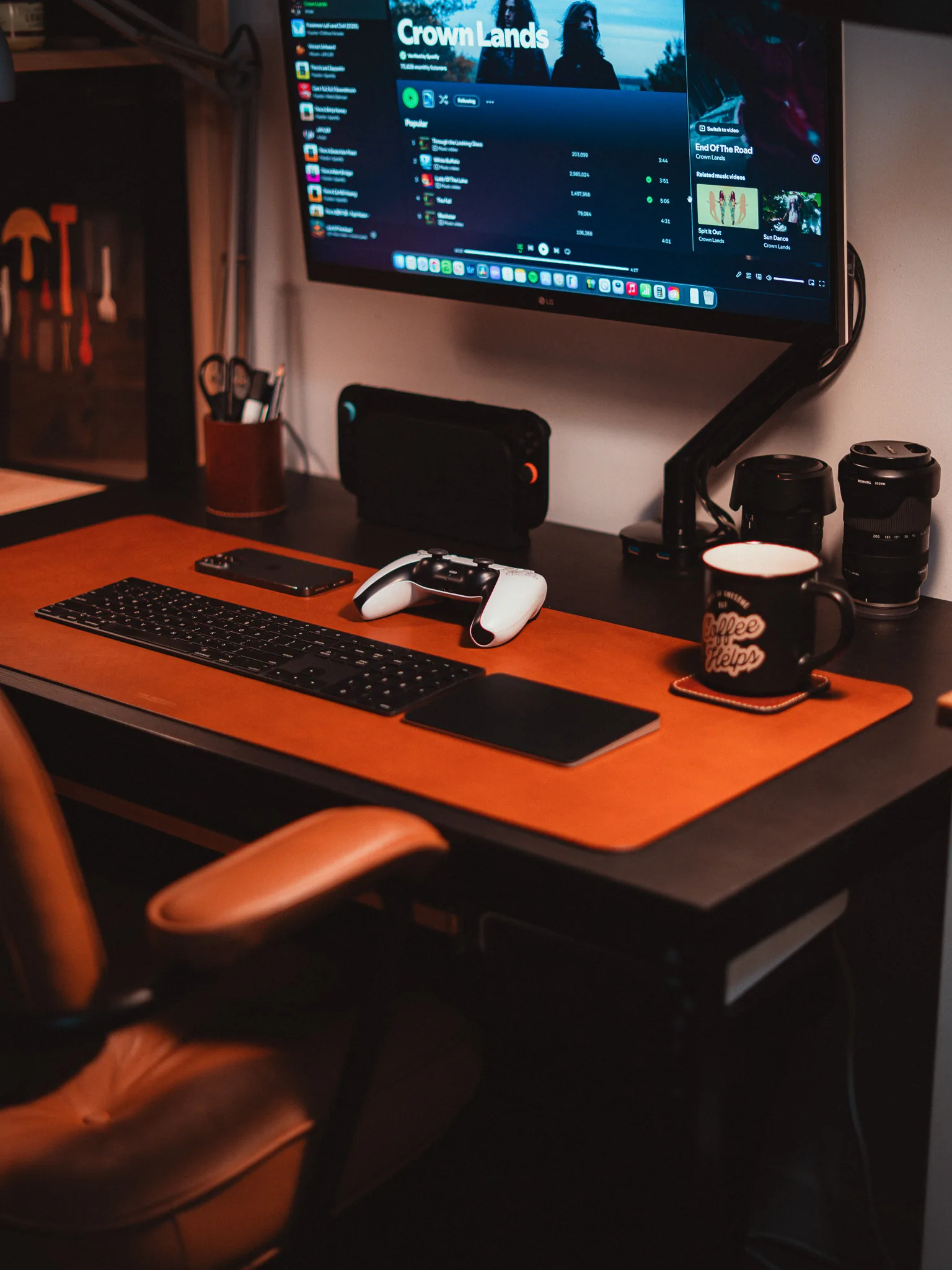
“I started making a desk mat for myself, and since then, it has sold very well for the same reason,” Dave says.
Dave has been careful about volume. He makes only to order, one piece at a time, so nothing gets built until someone wants it, no stockpile of unsold passport holders when the travel dried up, and no guessing what will sell. "Made-to-order gave me the ability to focus on each piece," he says. "It's easy to miss the details if they're mass-produced."
There is a simple test every piece has to pass before Dave will sell it: he has to want it for himself. "If I don't want to use what I make, how else would someone want it?" he says. The logic runs to how they're built, too. People pay more for something handmade, he reasons, and if it doesn't outlast the cheap version they'll just go back to the cheap version and replace it when it wears out. "Every piece I offer, I have tested myself," he says.
For the time being, it stays a second thing. Not because it isn’t working, but because Dave hasn’t decided he wants it to be the only thing. Working in a job he likes and a side-hustle in photography, Dave is a man with a lot to do and not much time to do it in. “I'm not sure how long I can keep this up, but for now, I'm trying to balance work, family, and just want to be happy at the end of the day,” he says.